High-performance network hardware and server boards optimized for cloud hosting, big data, and edge intelligence.
Modern cloud networks, high-density AI pipelines, and industrial automation environments require networking equipment built to maximize throughput while minimizing energy overhead. The demand has shifted from simple bandwidth to semantic intelligence, real-time analytics, and resilient processing nodes.
Global procurement specialists are navigating a market altered by computational bottlenecks and shifting supply chains. High-speed networking is no longer just about standard fiber switches; it encompasses the orchestration of deep learning servers, high-bandwidth storage arrays, and low-latency PCIe storage. As server backplanes move rapidly toward PCIe Gen 5 and Gen 6 architectures, the physical devices linking processing clusters must keep pace.
Our operational hub in China acts as a specialized quality assurance and testing center, bridging the gap between top component manufacturers and enterprise purchasers worldwide. Focused on high-speed hardware configurations, we deliver tailored computing architectures designed to survive intense workloads in modern virtualization hubs.
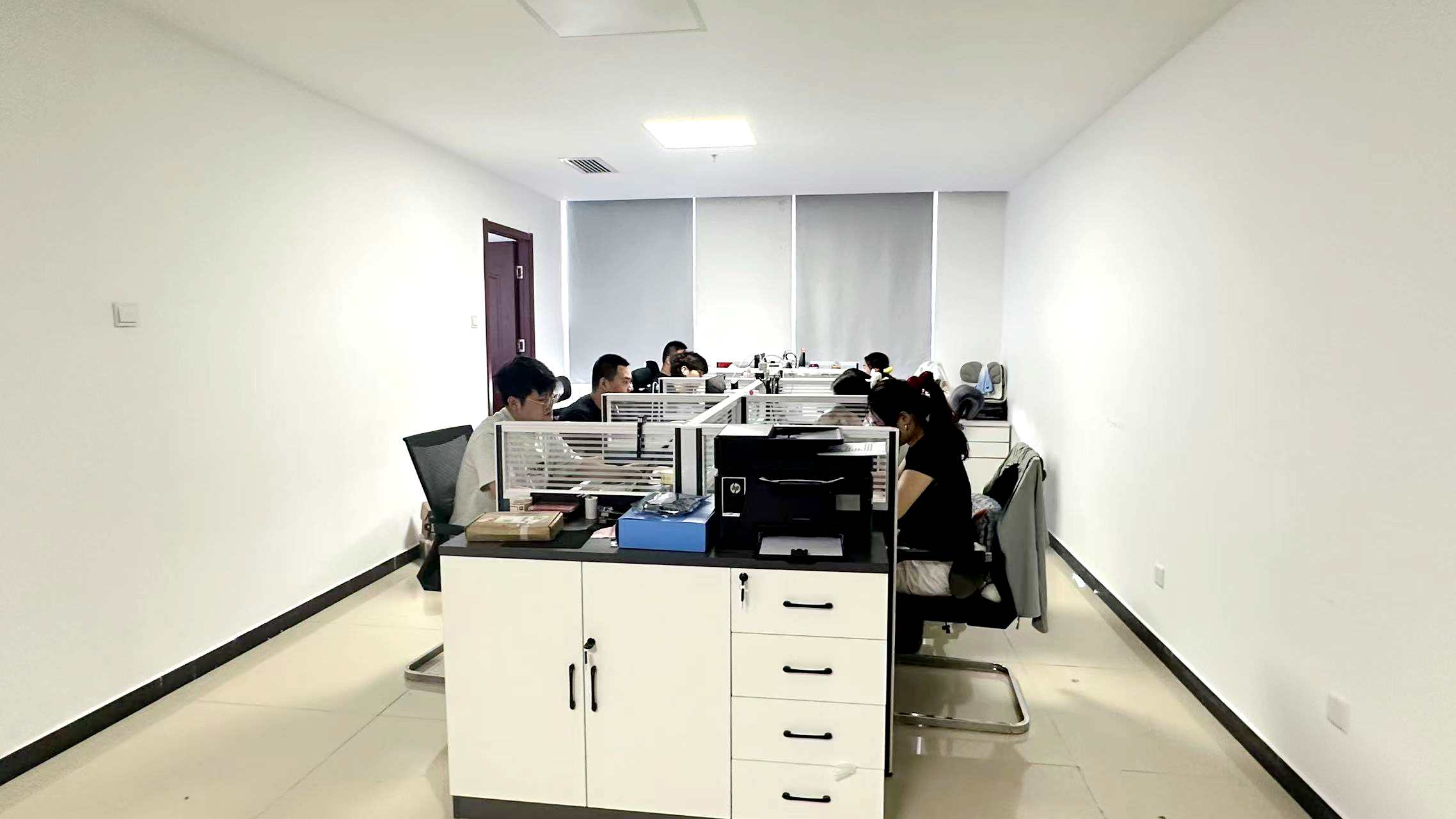
China's modern tech ecosystems have transformed from low-tier component fabricators into highly integrated, rapid-prototyping manufacturing centers. This paradigm change allows tier-1 brands and OEMs to construct platforms that scale on demand.
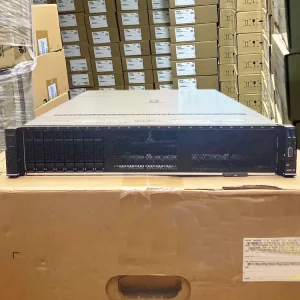
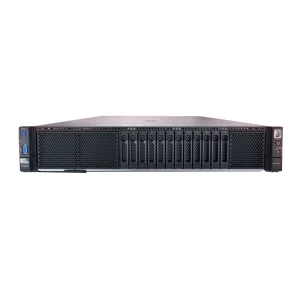
In regions such as Guangdong, Jiangsu, and Zhejiang, the physical proximity of component factories reduces logistics times from weeks to hours. A server assembly line can procure a bare-metal chassis, multi-layer PCBs, thermal heat sinks, high-reliability power supplies, and certified firmware chips within a 50-kilometer radius. This close integration is why systems like the FusionServer 2288H V5/V6/V7 series or Dell PowerEdge equivalents can be configured, tested, and shipped under hyper-efficient timelines.
While massive industrial parks manufacture millions of standard units, the modern enterprise demands agile, high-integrity procurement pipelines. Our specialized hub focuses on exact-configuration testing, software validation, and custom storage arrays. Operating with high-density optimization, we perform full system validation. This ensures that every refurbished or new server configured with Xeon processors, SAS solid-state arrays, or workstation GPUs functions within baseline thermal and compute margins before packing.
| Strategic Core Metric | Operational Standard | Enterprise Advantage |
|---|---|---|
| Raw Material Traceability | Verified component lifecycle tracking | Mitigates counterfeit controller risks and validates chip longevity |
| QA/QC Protocols | 100% Comprehensive unit stress testing | Virtually eliminates dead-on-arrival (DOA) risks at destination datacenters |
| Logistics Sourcing Lead-Time | Direct connection to domestic component clusters | Reduces lead time on critical system components by up to 35% |
| Acceptance Protocols | Full burn-in memory and storage performance sweeps | Ensures high-intensity continuous read/write reliability |
Enterprise applications require specific topologies. Below is a structural analysis of how advanced components fulfill specific roles in network architecture.
Training and running inference models require high GPU/TPU densities. Systems like the FusionServer G5500 V6 leverage multiple workstation cards (such as the RTX 5000 ADA 32GB) to parallelize tensor math, allowing speech, video, and pattern recognition tasks to run without CPU bottlenecks.
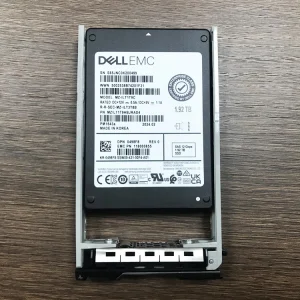
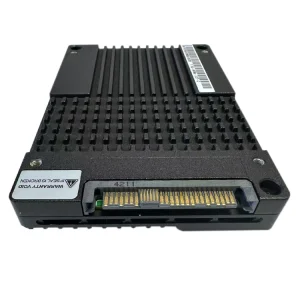
Traditional hard drives fail to support modern database lookups. Leveraging high-capacity SAS SSDs and NVMe U.2 options (like the ES3600P 3.2T PCIe Gen4) yields hundreds of thousands of IOPS, supporting latency-sensitive banking, medical archiving, and user validation databases.
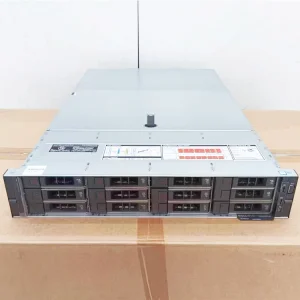
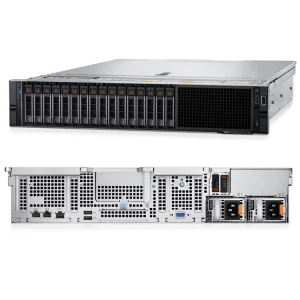
Deploying hybrid environments requires hypervisors that handle hundreds of virtual machines. Dual-socket Intel Xeon systems (including the PowerEdge R740/R750/R770 models) utilize high-speed DDR5 or DDR4 error-correcting memory to partition physical nodes into secure, isolated tenant spaces.
Experienced procurement directors understand that maximizing return on investment requires balancing new acquisitions with certified, refurbished systems.
A common error in datacenter design is assuming that every application tier requires brand-new hardware. Testing clusters, localized failover servers, storage arrays, and auxiliary domain controllers perform exceptionally well on refurbished platforms. This reduces upfront equipment costs by up to 50% without sacrificing reliability.
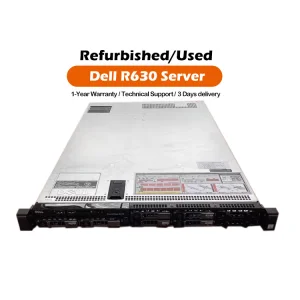
For example, a refurbished PowerEdge R630 1U rack server equipped with dual Intel Xeon E5-2600 v3/v4 processors and DDR4 memory provides robust computing power for application containerization or load balancing. When sourced from a partner that implements a 100% inspection standard, these refurbished nodes have their firmware flashed, motherboard caps visually and electrically analyzed, and storage bays fully certified for write endurance.
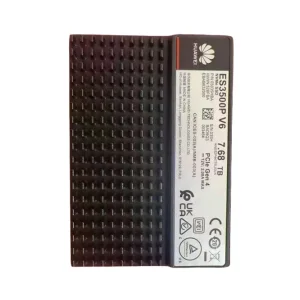
Conversely, critical production workloads and core AI training tasks benefit from new hardware like the PowerEdge R770 with DDR5 or Huawei ES3500P V6 NVMe SSDs. Sourcing from a supplier that provides verified trace tracking for both components allows network architects to balance cost and reliability effectively.
High-throughput storage arrays, advanced workstation GPUs, and next-generation multi-core processing server chassis.
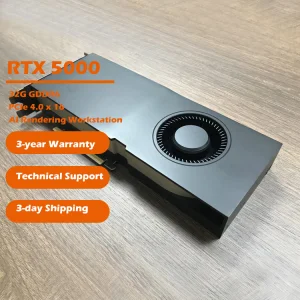
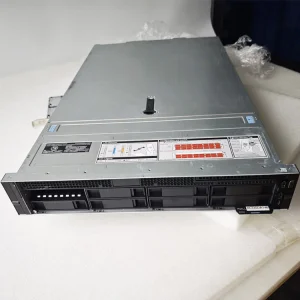
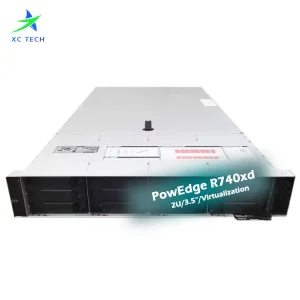
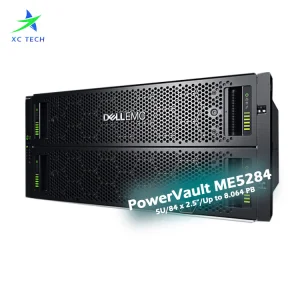
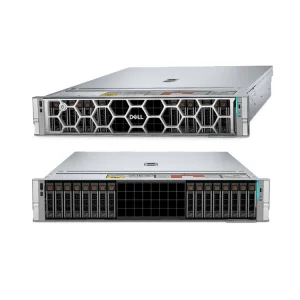
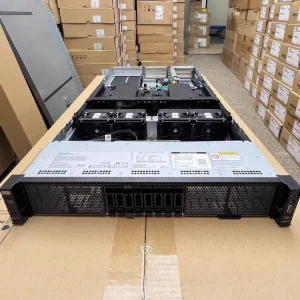
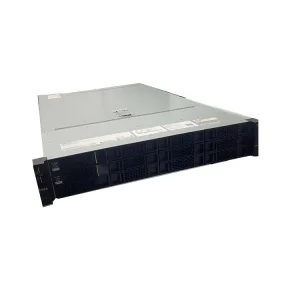
Different geopolitical markets demand distinct hardware footprints. Choosing the appropriate supplier requires understanding these localized operational differences.
Organizations in Eastern European territories focus on price-to-performance optimizations, often utilizing mixed topologies. Many local service providers deploy refurbished hypervisors like the PowerEdge R730XD or R740 combined with high-capacity SAS storage pools to deliver local VPS hosting and regional cloud backup solutions without exceeding budget limits.
Enterprise targets in North America prioritize strict certifications, environmental efficiency, and hardware compliance. Standard configurations often emphasize new-generation DDR5 systems, low-power Xeon processors, and high-security enterprise NVMe storage. Buyers request comprehensive testing logs to ensure compliance with strict datacenter regulatory frames.
The domestic technology ecosystem demands rapid deployment and hardware scaling. E-commerce platforms, video distribution companies, and local government frameworks frequently deploy FusionServer 1288H or 2288H V6/V7 nodes to support real-time transactions and high-concurrency database queries.
Crucial information for IT directors, datacenter managers, and hardware wholesalers planning bulk network system imports.
 Vertex AI Server